10 Speech Therapy Activities to Use During Speech Therapy Data Collection
At the end of the day, your student’s progress is only as good as our speech therapy data collection says it is! Student progress is the benchmark by which you measure the success of our therapy. Let me remove the obstacles and excuses you may have about why you cannot use speech therapy data collection progress for IEP progress monitoring. Start using these speech therapy activities while you are collecting data!
Here is How Speech Therapy Data Collection and Treatment are Done Right
You show the BEST STUDENT PROGRESS when instruction and data collection are two separate activities.
Treatment does not equal testing.
This is where you might slam on your brakes and say “I can’t do this! How am I supposed to collect data one one-on-one with my students? What will my other students be doing?” Keep reading for how I can help you and other therapists remove this obstacle. It is easier than you might think, and you can achieve this without added stress.
An easy data tracking system is to schedule it on a monthly rotation. Three weeks are strictly for treatment and one week is for progress monitoring your IEP goals.
Here are 10 simple, ways your students can work independently (or at least semi-independently) while you collect data.
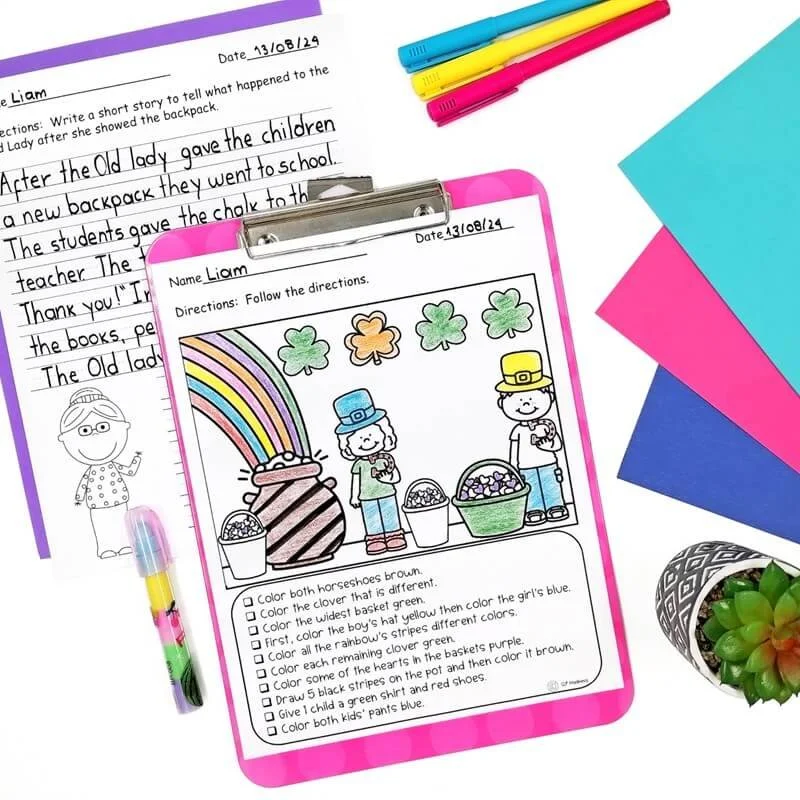
Book companions are great because students can listen to the book themselves under headphones. There are great online resources like TumbleBooks (free access here), Epic!, and Storyline Online.
In your week leading up to data collection, read the book with the students. Then when it is time to collect data, students will complete book companion worksheets and crafts while they rotate through your data station.
The Old Lady Who Swallowed Series makes great seasonal Book Companions. You can work on a variety of skills while students complete the craft and worksheets independently.

Another easy-to-implement books are the How to Catch a Series by Adam Wallace. Great for seasonal fun like How to Catch a Turkey.
2. Boom Cards
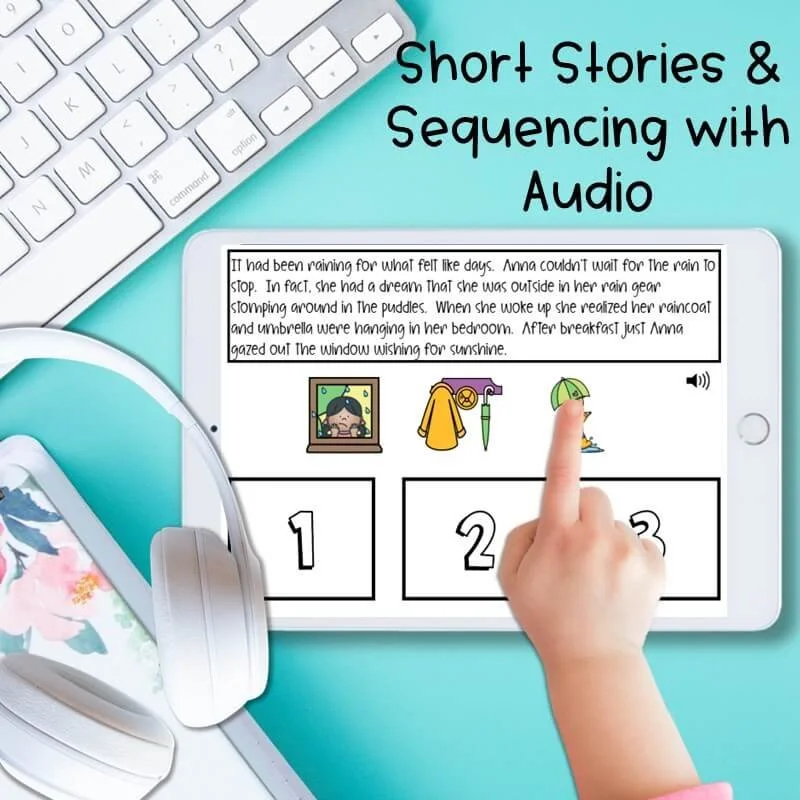
Boom Cards are perfect for having students work independently. You can assign students a boom card lesson or you can use the fast-pin links.
Boom Cards with audio are great because they work great for non-readers and readers.
If you create a class, the added benefit is that you can see the data of the student’s responses.
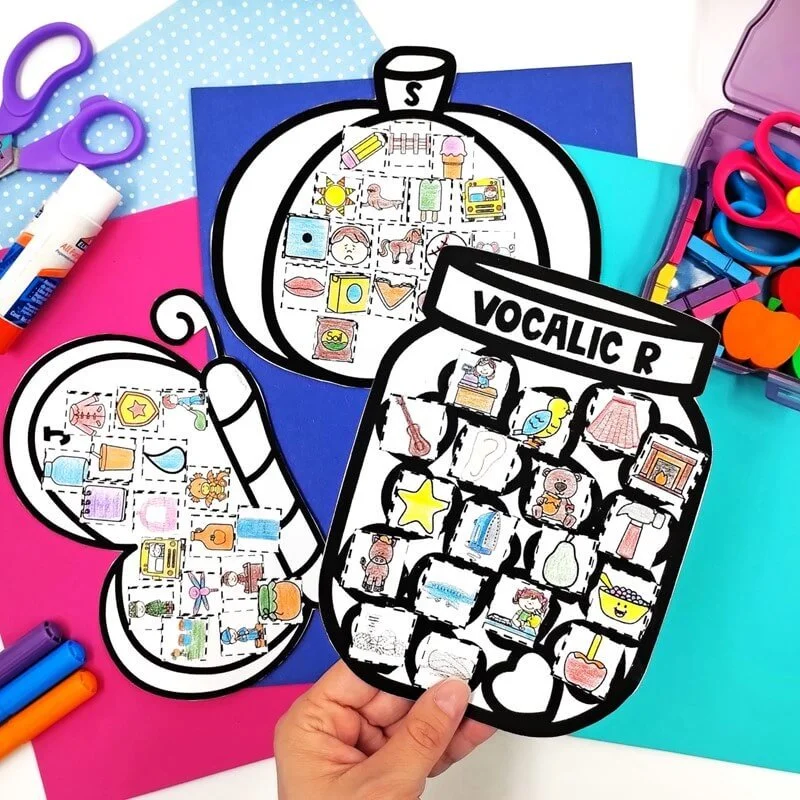
Pull out those seasonal crafts. When you are filling in those speech therapy data sheets with one student, your other student(s) can create the craft.
Therapy time is valuable, don’t waste it on the cutting and assembling. When you are collecting data, it is the perfect time to bring out the glue, crayons, and scissors!
4. Seesaw and Learning Management Systems
Begin using the Learning Management Systems that your school district uses. I personally love Seesaw.
In Seesaw students can take screenshots or pictures of the story they listened to and record retelling, take a picture of worksheets, task cards, etc and record themselves practicing. You can also link a fast pin to boom cards right in Seesaw.
An LMS will keep track of what was assigned for work.
5. Web-Based SLP Programs
Have your students complete speech therapy activities online. There are so many great free and paid programs out there that include speech therapy games and speech therapy activities. Here is a list of my favorites.
Pink Cat Games (free)
Bamboozle (free)
Ultimate SLP (subscription required)
Hear Builder by Super Duper (subscription required)
Smarty Ears Speech and Language Academy (subscription required)
6. SLP Board Games and Bingo
If your students are like mine, I am sure they are always asking for games! Data collection week is the time that you can bring out the games. Pair mastered targets with any board game.
Super Duper and Linguisystems make great games for SLPs for articulation, language, voice, and fluency. Go “old-school” and pull them out for students to play!
7. Take out your Minis
We know SLPs and students alike love your minis. Students can sort by category, compare and contrast pairs, create articulation picture scenes with minis, pull minis from sensory bins that practice targets.
Let your kids be creative here. If you are using Seesaw they can take a picture and post their work to you!
8. What’s Hidden in the Bag?
Students can hide pictures, objects, and minis in a paper bag and give clues or describe what is hidden. This is a great receptive and expressive language speech therapy game. Students love asking questions and playing guessing games.

Game worksheets are great activities that allow students to complete them together.
Color-by-the-code and roll-and-say game worksheets are great for students to complete independently.
10. Homework Activities
The idea of home practice is for students to practice mastered skills. So anything you would send home for speech therapy homework, students could be doing while you are collecting data on speech therapy goals.
You will also love:
PIN THIS IMAGE TO SAVE FOR LATER!