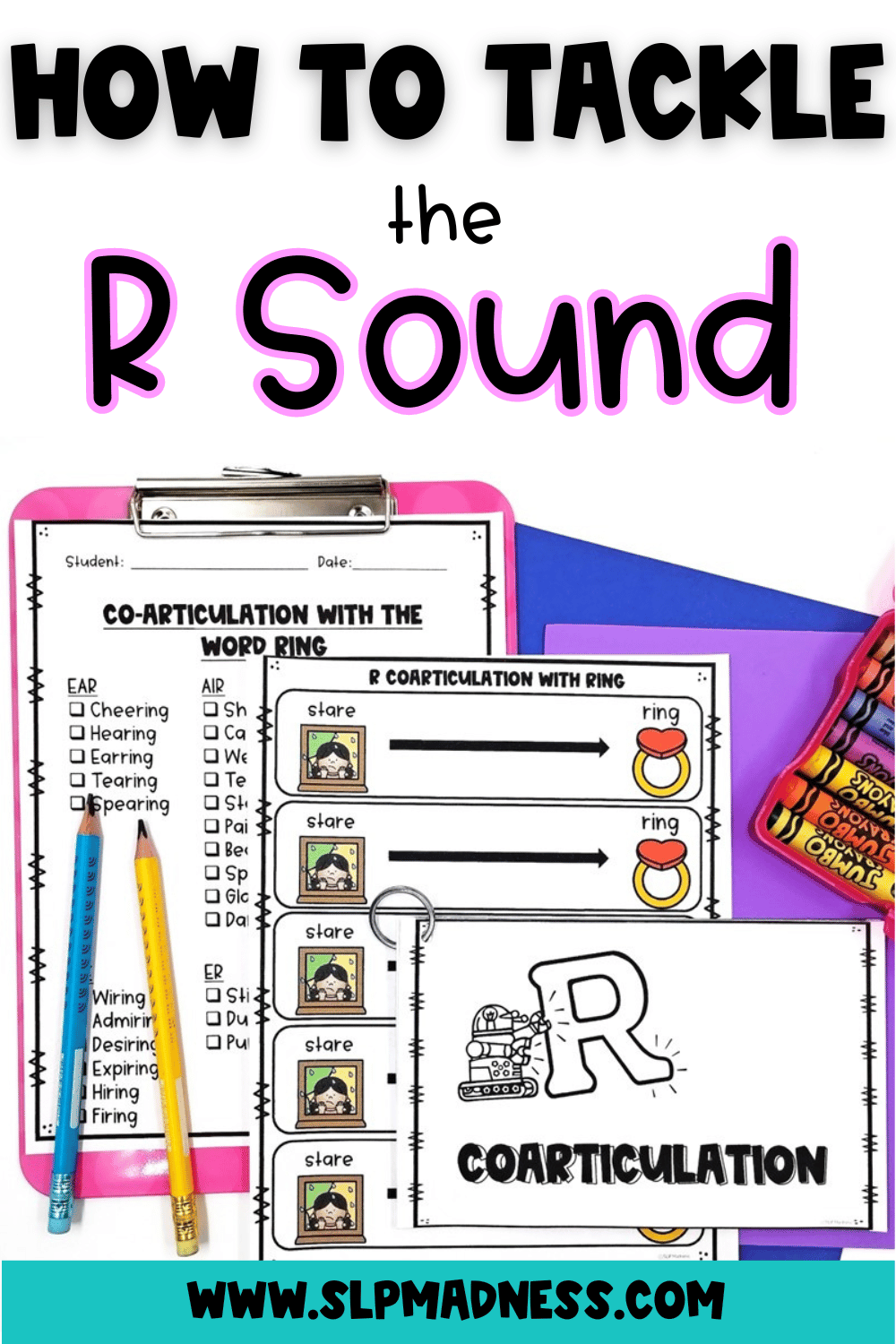

Coarticulation: The Best Tool in a Speech Therapist’s R Articulation Toolbox
If you’ve been in the field for a while, you know how elusive the R sound can be for some of our students. Even after working on prevocalic R for months, they just can’t seem to get the vocalic R right. Frustrating, right? But what if the key to unlocking their success isn’t more repetition, but starting from the right place?
Coarticulation: The Missing Piece
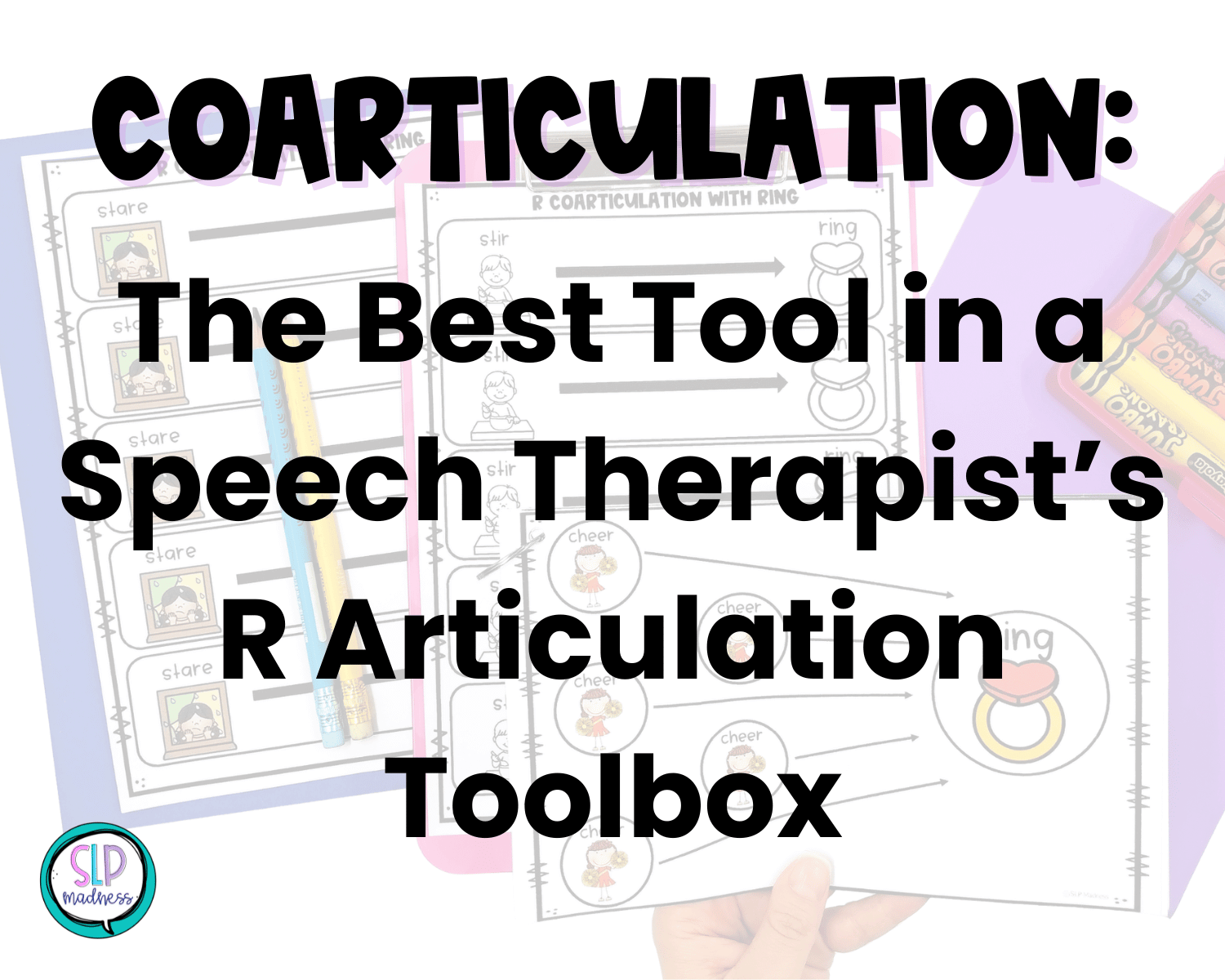
One of the most powerful tools in your R therapy toolkit is coarticulation. Coarticulation recognizes that speech sounds aren’t produced in isolation—they are influenced by the sounds around them. This concept is especially critical when it comes to teaching the R sound.
By using coarticulation, you can identify the right phonetic context to help your students nail those tricky vocalic Rs. Instead of focusing on isolated sounds, you create opportunities for success by building on what students can do. This is where a solid screening tool comes into play.
Using a R Therapy Screening Tool
It’s important to determine exactly where your students are already succeeding. That’s where the R articulation screener for coarticulation comes in. This tool offers a systematic approach to help you figure out where to start and what steps to take.
Here’s how it works:
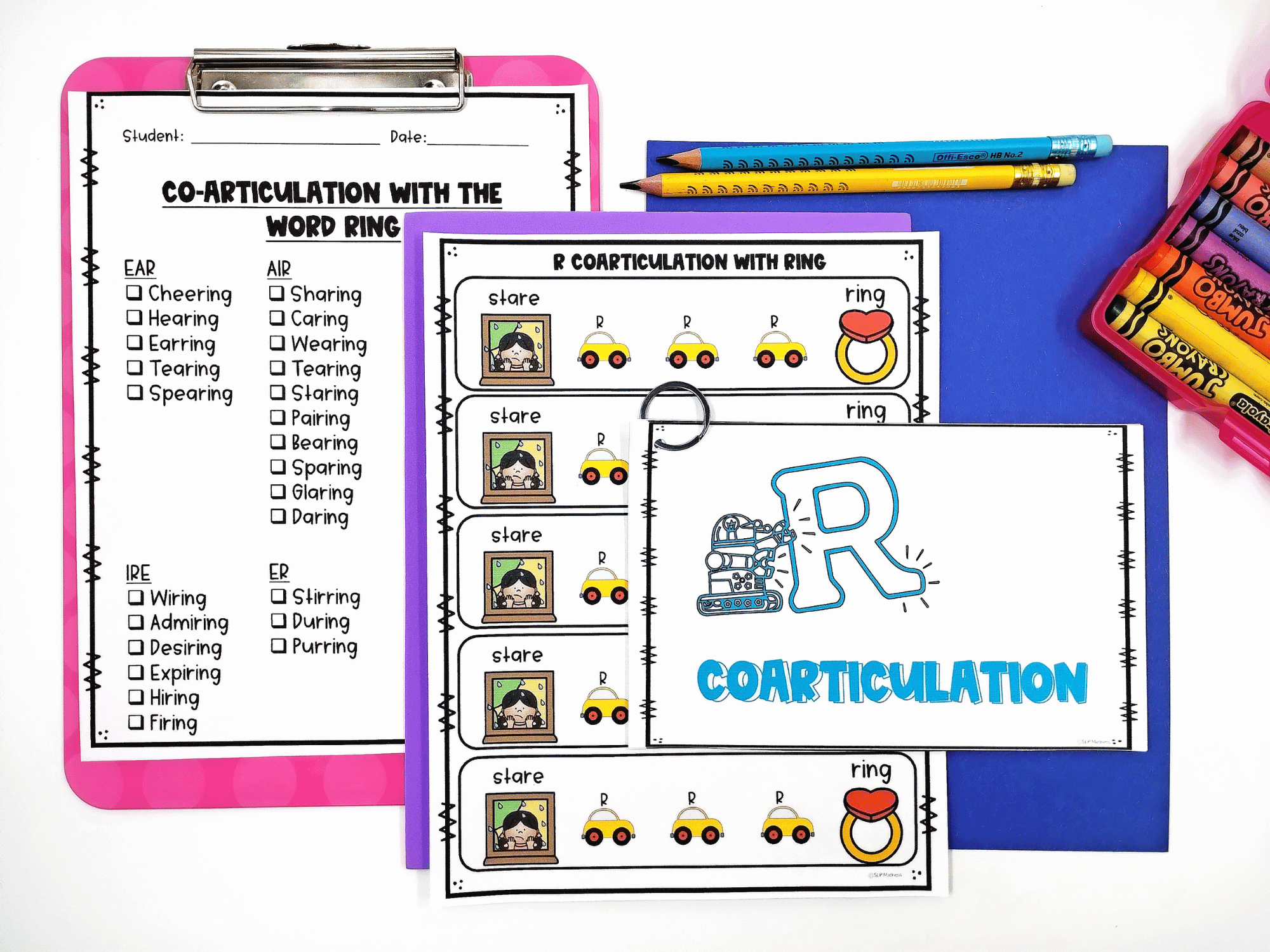
Screening checklist: The tool provides a list of words ending in RING, combining prevocalic R with the NG sound. This combination creates a facilitative context that naturally supports the production of vocalic R.
Individualized targets: Once you’ve screened your students, you can tailor their therapy based on the words and sounds they’re already successful with. This eliminates guesswork and makes therapy more efficient and effective.
Building from success: With a clear starting point, you can begin to systematically move from prevocalic R to vocalic R production, using the right phonetic contexts.
Why You Need This Tool in Your R Therapy Toolbox
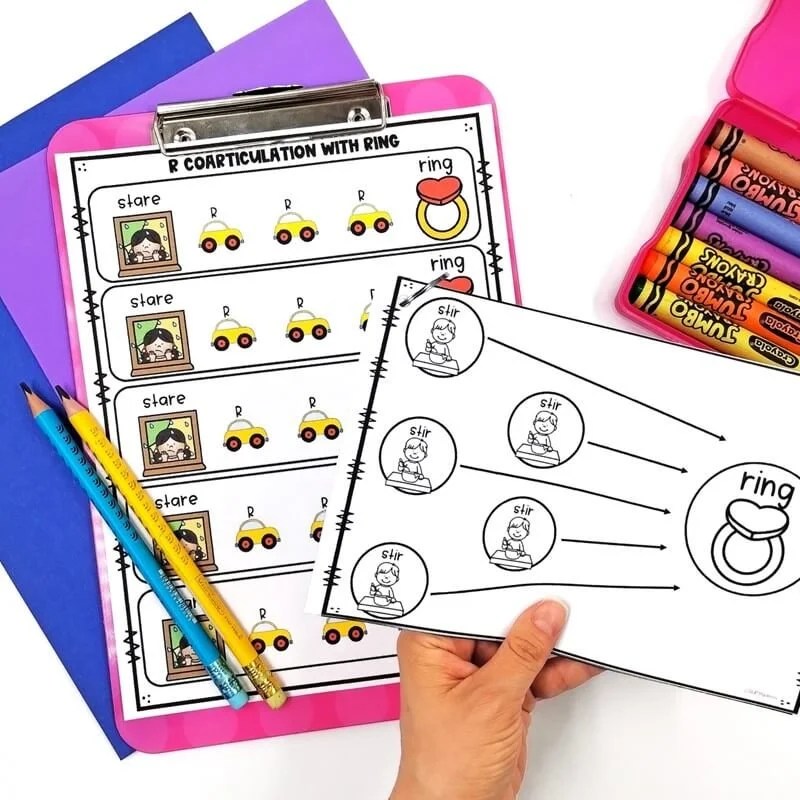
It includes a screening word list to pinpoint exactly where to begin.
You can individualize therapy targets, focusing on success first.
The resource includes color and black-and-white task cards and worksheets to make therapy sessions versatile and engaging.
It’s affordable and gives you an evidence-based strategy to tackle vocalic R head-on.
How to Use This Resource
Screen: Start with the screener to determine stimulability for vocalic R sounds.
Move from prevocalic to vocalic R: Use the targeted coarticulation word list to guide therapy.
Adjust based on success: Continue building on the student’s progress, using words that work in specific phonetic contexts.
By incorporating coarticulation techniques and a strategic screening tool, you’ll be better able to pinpoint where your students need support and continue to help them develop their R sound.
If you’ve been working on R therapy for a while but still have students struggling with vocalic R, this resource is exactly what you need. The R articulation screener and Coarticulation R words help you pinpoint where students are successful and provide the right phonetic context to build from their strengths.