Why Dirty Data Spells Legal Trouble for Speech Therapists: Part 1 of 4
Attention, fellow SLPs! Today, we're tackling a topic that could make or break your practice as a school-based SLP: the legal ramifications of dirty data. Speech therapy data collection is the secret to your success as a Speech Therapist. Trust me, you'll want to pay close attention to this.
Problem:
Accurate data collection is not just a best practice—it's a legal necessity in speech therapy. Dirty data, characterized by inconsistency and unreliable data collection, poses a significant threat to the integrity of our profession. So what is dirty data, why is it a problem, and is it something you learned to do in graduate school?
Most of us learned dirty data in graduate school. It meant that we took data on what our students did during our sessions to target the goals that we set. That might vary a bit from session to session, depending on how our student was doing on a particular day.
They might be in a group setting and susceptible to the influence of another student's behavior or presence. Therein lies the problem: the data taken during those sessions is not replicated over time, and the stimuli you collect are likely different every time. So, dirty data is not legally defensible.
When it comes to having clean data, defensible data can be the difference between better demonstrating your student’s success or a lack of progress in the eyes of the legal system.
Let's Break It Down: Dirty vs. Clean:
Dirty data is like building a house on shaky ground—unstable and prone to collapse. In contrast, data probes, aka “clean data,” provide a solid foundation for legally defensible data collection.
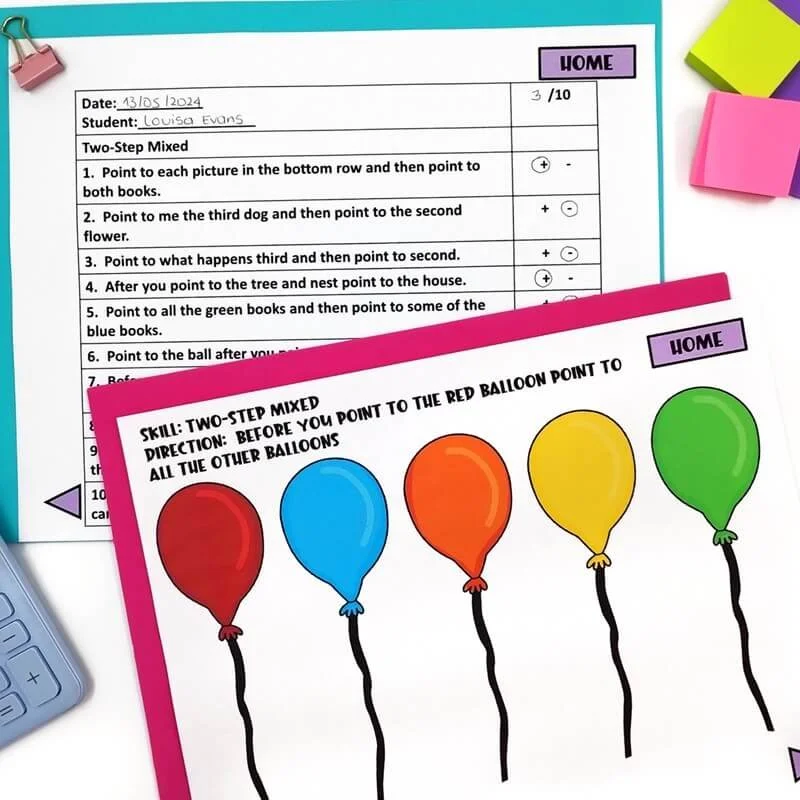
When I talk about data probes, I’m referring to consistent data collection, almost like snapshots taken at regular intervals of a student’s performance, that ensure consistency and reliability in data collection.
Data probes allow you to collect clean, accurate data that holds up in court, protecting you from potential legal challenges.

The Solution:
So, how do you avoid the dirty data trap? It's simple: embrace data probes. By using these tools, you can ensure that your data collection practices are legally defensible and reliable.
Data probes provide a framework for collecting data, ensuring consistency across therapists, sessions, and settings. This consistency is essential for demonstrating the reliability of your data and defending against legal challenges.
In essence, data probes serve as a valuable tool for not only ensuring legal compliance but also for promoting student success and facilitating evidence-based decision-making in school-based speech therapy.
Conclusion:
In conclusion, dirty data is a legal liability that no speech therapist or school district can afford to ignore. By embracing data probes and following best practices in data collection, you can protect your practices and ensure and demonstrate the best possible outcomes for your students.
Stay tuned for the next installment in our series, where I will delve even deeper into the dos and don'ts of data collection.