Streamline, Don’t Stress! How to Increase Your Efficiency with Data Probes: Part 2 of 4
Picture walking into an IEP meeting armed not just with expertise but with solid data, confidently advocating for your students. It's not just a dream; it's the reality I strive for as a school speech therapist.
Want to know how to stress less as well? Let me take you through my journey of using data effectively and show you how to become a more impactful clinician, greatly enhancing your ability to serve your students.

Problem:
In the dynamic world of school-based speech therapy, ensuring legally defensible data isn't just a goal—it's a necessity. Without robust data collection practices, you risk facing challenges justifying your recommendations and interventions. Dirty data, inconsistent methods, and a lack of clear baselines can undermine your efforts to support your students effectively.
The Solution:
The journey begins with assessment—an intricate dance between formal evaluations and informal probes. It's not just about ticking boxes—sometimes, you can’t get away from checking boxes—but it's also about delving deep into the nuances of each student's communication profile. This holistic approach lays the groundwork for identifying areas of need and establishing clear baselines for progress.
But it doesn't stop there. Goals must be more than just aspirations; they must be rooted in data. By anticipating achievable goals based on solid baselines, you set the stage for meaningful progress.
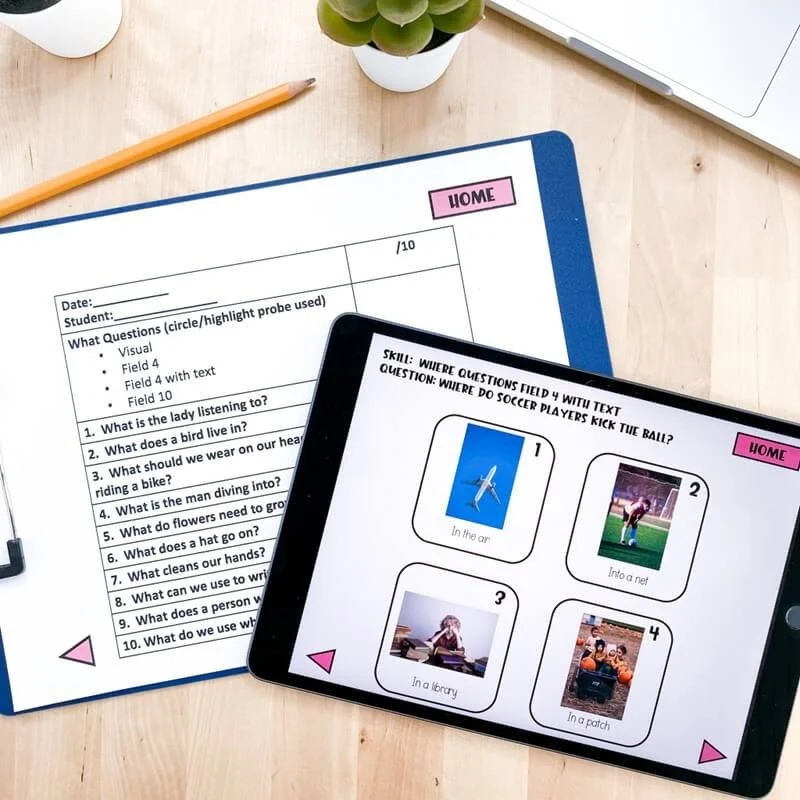
Enter the world of progress monitoring probes—my trusted allies in the quest for reliable data. Replicable and consistent, these probes offer a beacon of clarity in the often murky waters of data collection.
Discipline yourself to follow these two simple yet crucial guidelines:
Consistency
Consistency is key to ensuring the reliability and legal defensibility of data, from the frequency of probes to the methods employed. By adhering to the set intervals and methods outlined in IEP goals, you lay the foundation for data that stands up to scrutiny.
Separate data collection from therapy sessions
Therapy is about teaching, guiding, and nurturing; data collection is about assessment and measurement. Keeping these processes distinct not only ensures the integrity of your data but also allows you to be fully present in the therapeutic moment.
Let's delve deeper into progress monitoring probes—the unsung heroes of your data collection arsenal. These tailored assessment tools provide a structured framework for gathering data at regular intervals. Time is a pain point for many school SLPs and using data collection probes gets you the information you need so that you can not spend as much time on your evaluations and paperwork.
By using the same probe consistently, you also ensure that your data remains clean and replicable, bolstering its legal defensibility.

Moreover, progress-monitoring probes offer more than just legal protection. They serve as invaluable tools for informed decision-making and targeted intervention. With precise, actionable data at your fingertips, you can tailor your approaches to meet each student's unique needs, fostering meaningful progress.
However, the benefits of a data-driven approach extend beyond individual therapy sessions. Consistent data collection facilitates collaboration among multidisciplinary teams, enabling more informed discussions and decisions. When everyone works from the same reliable data, the IEP process becomes smoother and more effective, ultimately benefiting the students you serve.
Conclusion:
In school-based speech therapy, data isn't just a tool; it's your compass, guiding you toward better student outcomes. By embracing clean data collection practices rooted in consistency and clarity, you empower yourself to advocate for your students’ needs. So use data to improve your practice and unlock every student's potential. With confidence and impactful data, you can navigate the complexities of the IEP process.
If you want to start using probes like I outlined in this blog, download the Describing Data Probe Freebie available in my shop. It's a fantastic data tool you can start using right now to complement your data collection efforts and enhance your therapy sessions.
Stay tuned for the next installment in our series, where I will delve even deeper into the dos and don'ts of data collection.